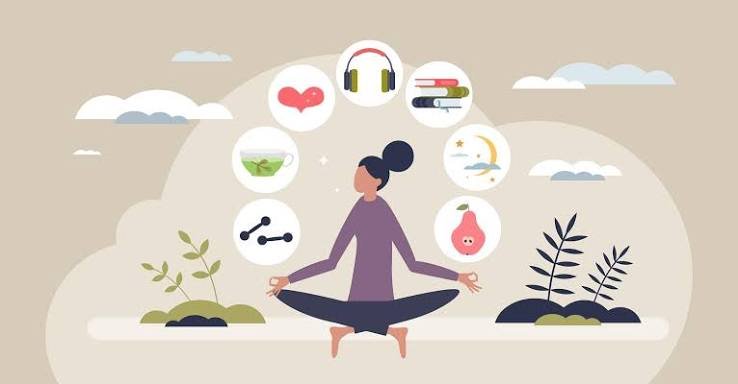
Modern life can make wellness feel complicated.
There are endless supplements, restrictive diets, complicated workout programs, and new health trends appearing every day. Yet sometimes, supporting your overall well-being can begin with something much simpler: paying attention to the basic habits that influence how you feel each day.
This is where natural and holistic wellness comes in.
Rather than focusing on a single aspect of health, a holistic approach considers the different parts of everyday life — including nutrition, movement, sleep, stress, relationships, and the environment around you.
It isn’t about achieving perfection. It’s about creating a lifestyle that supports your physical, mental, and emotional well-being in realistic ways.
What Does Holistic Wellness Mean?
Holistic wellness is based on the idea that different aspects of well-being are connected.
The way you eat can influence your energy. Your daily activity can affect how you feel physically. Your sleep routine can influence your mood and concentration. Stress can affect how motivated you feel to take care of yourself.
Instead of treating each area as completely separate, holistic wellness encourages you to look at the bigger picture.
That doesn’t mean replacing professional medical care with natural remedies. Instead, healthy lifestyle habits can complement appropriate healthcare and help you take a more active role in your everyday well-being.
Nourish Your Body With Real Food
Food is one of the foundations of a healthy lifestyle.
A natural approach to nutrition generally emphasizes whole and minimally processed foods such as vegetables, fruits, legumes, whole grains, nuts, seeds, and quality sources of protein.
Variety is important because different foods provide different nutrients.
Rather than searching for a single “superfood,” think about creating colorful and varied meals. Add vegetables to your favorite dishes, choose fruit for a convenient snack, or experiment with different whole grains and plant-based foods.
Healthy eating doesn’t have to mean giving up everything you enjoy. Balance and consistency are usually more practical than extreme restrictions.
Move in Ways You Enjoy
Physical activity doesn’t have to involve an expensive gym membership or an intense workout routine.
Walking, cycling, swimming, dancing, stretching, gardening, and recreational sports can all add movement to your day.
The best activity is often the one you enjoy enough to repeat.
If you’re currently inactive, start gradually. A short daily walk or a few minutes of stretching can be a realistic starting point.
Over time, small amounts of movement can become a natural part of your daily routine.
Make Sleep a Priority
Sleep is sometimes the first thing people sacrifice when life becomes busy.
Creating a consistent sleep routine can be one of the simplest ways to make rest a greater priority.
Try maintaining relatively consistent sleep and wake times. Give yourself time to wind down before bed, reduce stimulating activities in the evening, and make your bedroom comfortable and relaxing.
You don’t need a complicated nighttime routine. Even a few simple habits can create a stronger signal that it’s time to slow down.
Create Space for Mental Wellness
Holistic wellness also includes how you manage everyday stress.
You might find relaxation through meditation, deep breathing, journaling, reading, spending time in nature, listening to music, or simply taking a few quiet minutes away from screens.
There isn’t one technique that works for everyone.
The important thing is finding activities that genuinely help you slow down and recharge.
Even brief moments of intentional relaxation can provide a useful break during a demanding day.
Don’t Underestimate Human Connection
Wellness isn’t only about what you eat or how much you exercise.
Relationships and social connection are also important parts of a balanced life.
Make time for people who make you feel supported and valued. A conversation with a friend, a family meal, a walk with someone you care about, or participation in a community can all contribute to a greater sense of connection.
At the same time, healthy boundaries matter. Protecting your time and learning when to step away from unnecessary stress can also be part of self-care.
Build Your Own Wellness Routine
There is no universal definition of a perfect lifestyle.
Your wellness routine should fit your circumstances, preferences, schedule, and goals.
Start with one or two simple changes. Drink more water. Add more vegetables to your meals. Take a daily walk. Establish a calming evening routine. Spend a few minutes outside.
Once those habits become comfortable, build on them.
A More Balanced Way Forward
Natural and holistic wellness isn’t about following every new trend or searching for a miracle solution.
It’s about returning to the fundamentals: eat well, move regularly, rest sufficiently, manage stress, stay connected, and make time for yourself.
Small choices may seem insignificant individually, but they can become meaningful when repeated consistently.
You don’t need to overhaul your life overnight.
Start with one healthy habit today, make it sustainable, and let your wellness journey grow from there.